
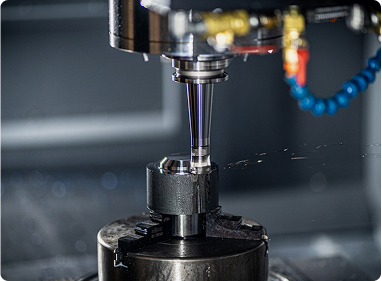
Advanced Manufacturing Technologies
The world of manufacturing is undergoing a revolutionary shift. Gone are the days when traditional factories relied solely on manual labor and basic machinery. Today, advanced manufacturing technologies are reshaping how products are designed, built, and delivered. From artificial intelligence to robotics, and from 3D printing to the Industrial Internet of Things (IIoT), these technologies are not just enhancing efficiency—they are redefining the entire industrial landscape.
What Are Advanced Manufacturing Technologies?
Advanced manufacturing technologies refer to innovative systems, tools, and processes that improve manufacturing performance through increased automation, precision, and data integration. These technologies help industries achieve greater flexibility, lower production costs, faster time-to-market, and improved product quality.
Key Advanced Manufacturing Technologies
Additive Manufacturing (3D Printing)
Additive manufacturing, commonly known as 3D printing, allows companies to build objects layer by layer using digital designs. This technology is widely used for prototyping, tooling, and even producing final components in industries like aerospace, healthcare, and automotive. Its benefits include reduced material waste, faster development cycles, and highly customized products.
Robotics and Automation
Industrial robots are becoming smarter, more adaptable, and safer to work alongside humans. Automation is now integrated into assembly lines, packaging, material handling, and quality control. Collaborative robots, or “cobots,” work side-by-side with human operators, increasing productivity and reducing errors.
Artificial Intelligence and Machine Learning
AI and machine learning algorithms are being used to predict equipment failures, optimize supply chains, and manage complex manufacturing processes in real time. These technologies analyze massive amounts of data to improve decision-making and boost operational efficiency.
Industrial Internet of Things (IIoT)
IIoT connects machines, sensors, and systems to a central network, allowing for seamless data collection and monitoring. Manufacturers can track performance, detect anomalies, and schedule predictive maintenance—resulting in less downtime and lower operational costs.
Advanced Materials
Innovations in materials science have led to the development of high-performance materials like carbon fiber composites, shape-memory alloys, and nano-materials. These materials offer greater strength, durability, and functionality in various applications.
Challenges and the Way Forward
While advanced manufacturing technologies offer numerous benefits, they also come with challenges. These include the high cost of adoption, the need for skilled labor, data security concerns, and integration with existing systems. To overcome these hurdles, companies must invest in workforce training, cybersecurity, and collaborative innovation.
Benefits of Advanced Manufacturing
Here are the key benefits of Advanced Manufacturing, described in short paragraphs:
1. Increased Productivity
Advanced manufacturing technologies streamline production processes by automating repetitive tasks, minimizing downtime, and enhancing workflow efficiency. This leads to faster production cycles and higher output with the same or fewer resources.
2. Improved Quality and Precision
With technologies like robotics, AI, and computer-aided manufacturing, products are made with higher accuracy and fewer defects. This consistency improves product reliability and reduces the cost of quality control and rework.
3. Cost Efficiency
Although the initial investment in advanced technologies can be high, they significantly reduce long-term operational costs. Automation reduces labor expenses, predictive maintenance lowers repair costs, and optimized resource use cuts waste.
4. Greater Flexibility and Customization
Advanced manufacturing systems are highly adaptable, allowing manufacturers to switch between product designs and batches quickly. This flexibility enables mass customization to meet diverse customer needs without slowing down production.
5. Faster Time-to-Market
Technologies like 3D printing and digital prototyping accelerate product development and testing. This allows companies to bring new products to market faster and respond quickly to changing market demands.
6. Sustainability and Energy Efficiency
Modern manufacturing techniques often use fewer materials, generate less waste, and consume less energy. This leads to more environmentally friendly production practices and supports global sustainability goals.
DST's Role on Advanced Manufacturing Technologies
To boost economic growth and strengthen industrial output, the Government of India has set an ambitious target to increase the manufacturing sector’s contribution from 16% to 25% of the GDP by 2025. Supporting this vision, the National Manufacturing Policy and the “Make in India” initiative serve as key drivers for transforming India into a global manufacturing hub. In line with this national objective, the Department of Science and Technology (DST) launched a dedicated program in October 2015 to promote the development of Advanced Manufacturing Technologies. To guide and oversee this initiative, a high-level Expert Advisory Committee on Advanced Manufacturing Technologies (EAC-AMT) was constituted, chaired by Prof. Rudra Pratap from the Centre for Nano Science & Engineering at the Indian Institute of Science, Bangalore.
Final Thought On Advanced Manufacturing Technologies
Advanced manufacturing technologies are not just an upgrade—they represent a fundamental transformation in how things are made. As industries embrace digital tools and smart systems, they unlock new possibilities for innovation, sustainability, and global competitiveness. The future of manufacturing is not only more intelligent but also more adaptable, efficient, and exciting.
Whether you're a business leader, a student, or a technology enthusiast, now is the time to explore the limitless potential of advanced manufacturing technologies.
FAQs
1. What are Advanced Manufacturing Technologies?
Advanced Manufacturing Technologies (AMTs) refer to innovative tools and processes such as automation, robotics, 3D printing, AI, and smart sensors that enhance the efficiency, precision, and flexibility of manufacturing.
2. How are AMTs different from traditional manufacturing methods?
Unlike traditional methods, AMTs use digital and automated systems to reduce manual labor, minimize errors, and improve productivity and customization.
3. What industries use Advanced Manufacturing Technologies?
Industries such as aerospace, automotive, electronics, healthcare, and consumer goods widely use AMTs for product development and production.
4. What are the main benefits of AMTs?
Key benefits include higher efficiency, lower production costs, improved quality, faster time-to-market, and increased customization.
5. Is 3D printing part of Advanced Manufacturing?
Yes, 3D printing (also called additive manufacturing) is a major component of AMTs, used for rapid prototyping and producing complex parts with minimal waste.
6. Are AMTs suitable for small and medium enterprises (SMEs)?
Yes, many AMTs are scalable and can be tailored to fit the budget and needs of SMEs, especially in areas like automation, digital design, and quality control.